Why Trees Fall in Sydney Storms
A practical guide to identifying high-risk trees, preventing storm damage, and keeping your home safe
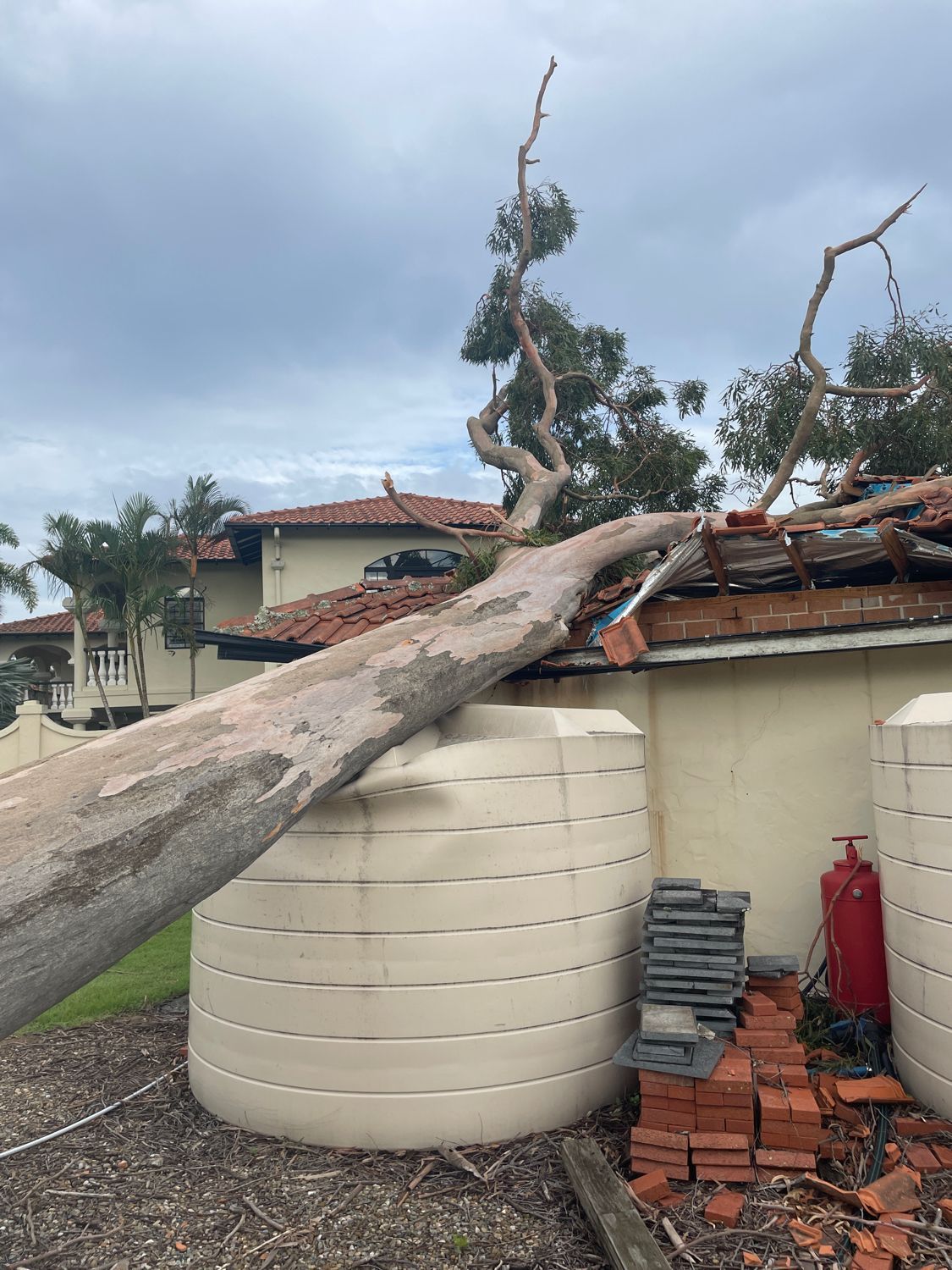
Sydney storms can hit fast and without warning—bringing strong winds, heavy rain, and saturated ground conditions that put trees under serious stress. When trees fail, the damage can be significant, from crushed fences and cars to major structural damage to homes.
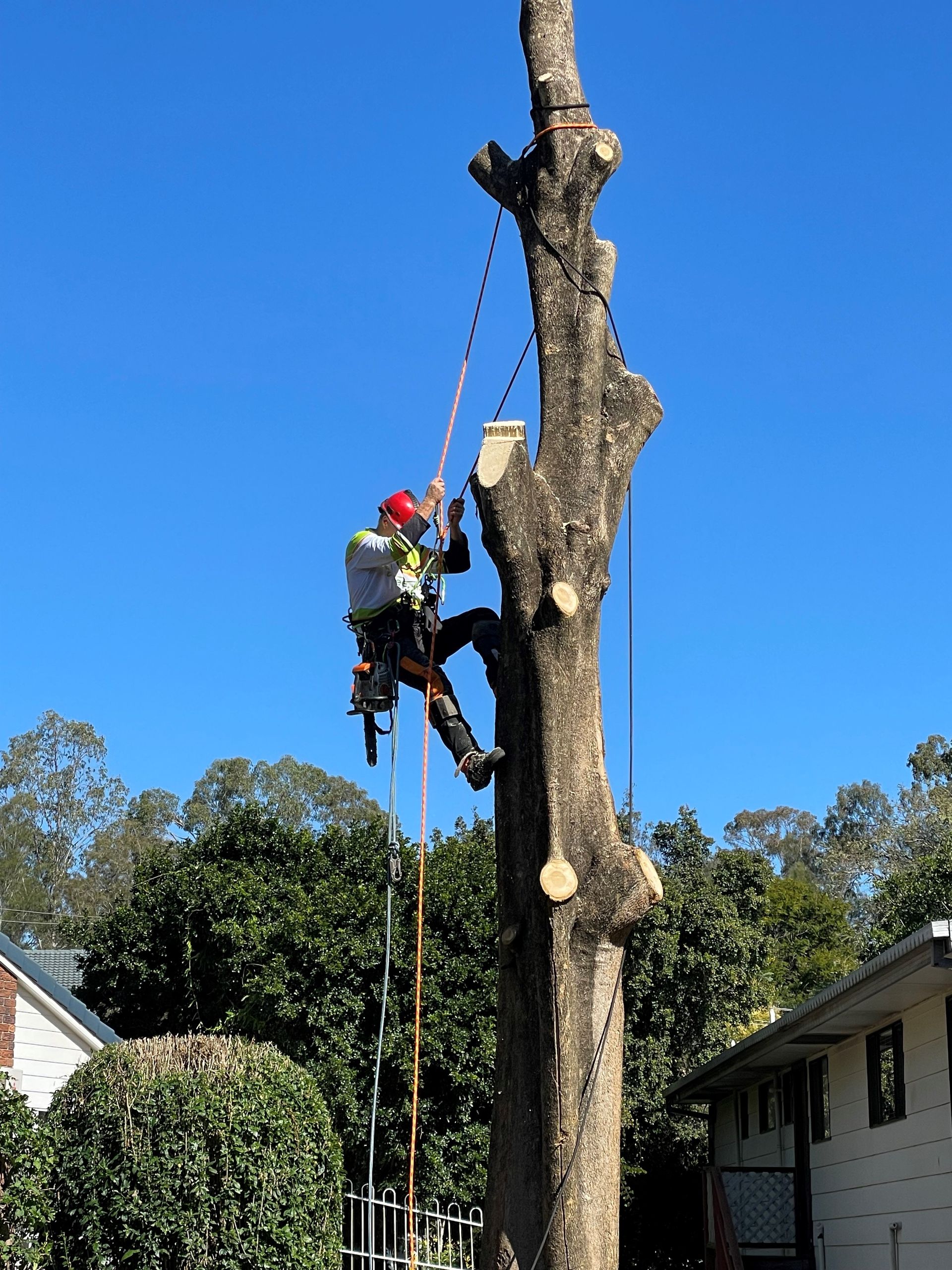
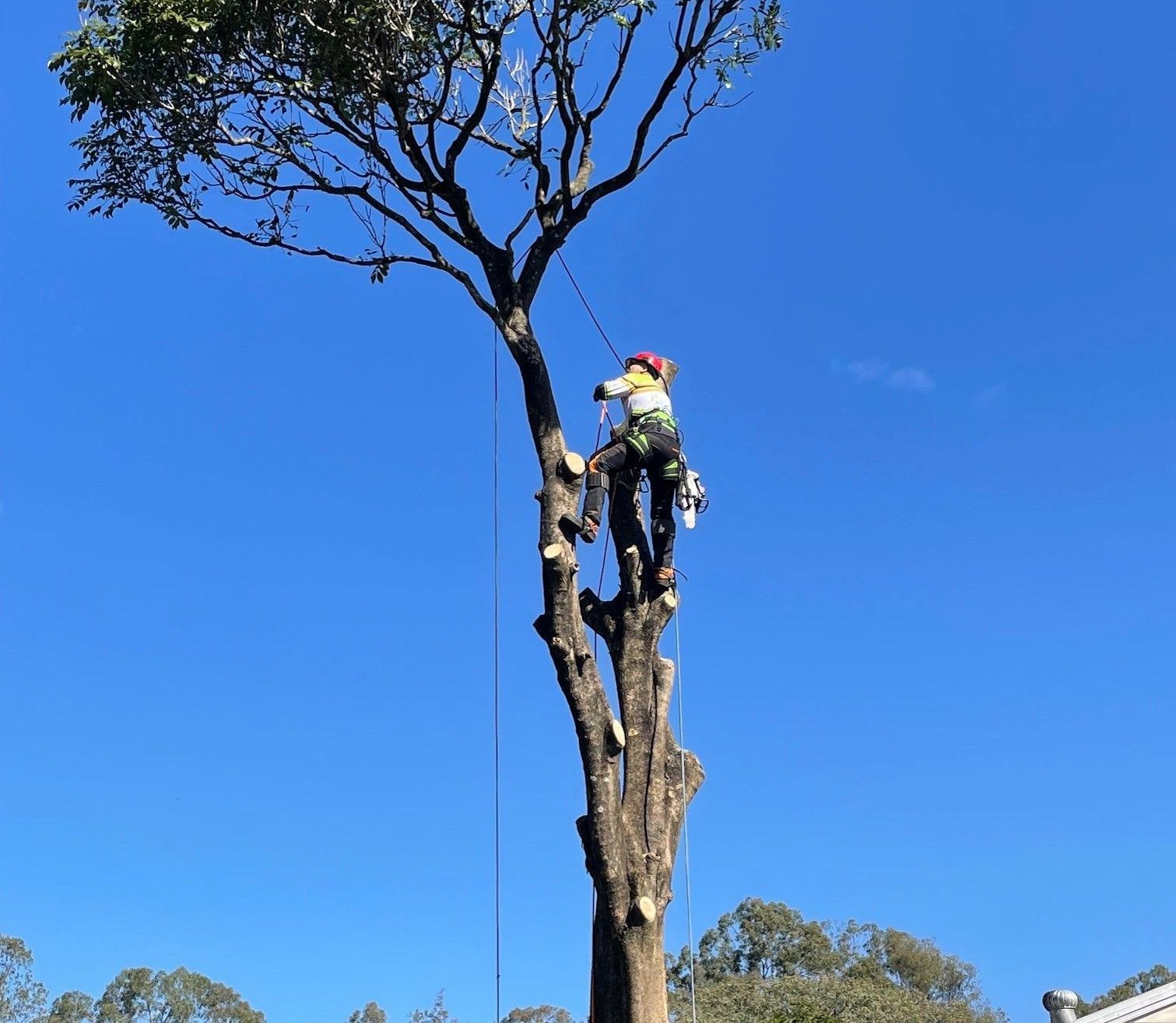
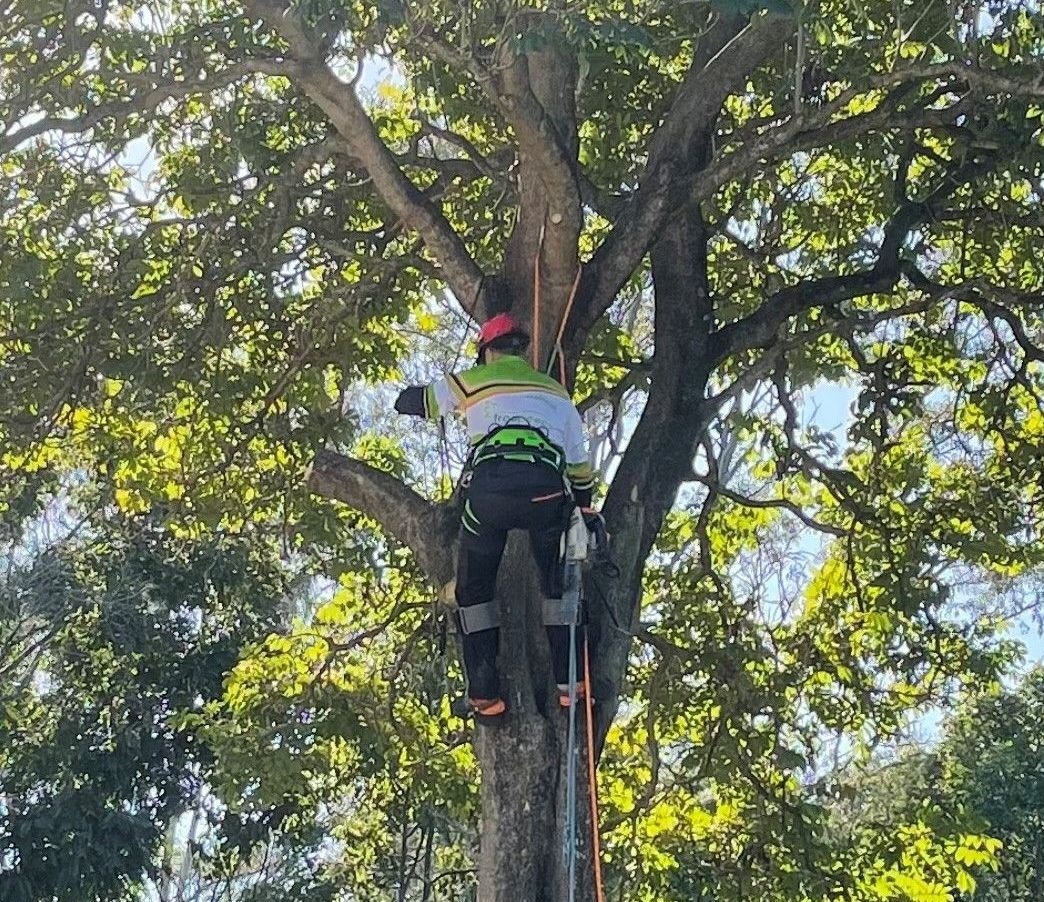
If you ever find yourself dealing with a fallen or dangerous tree, it’s important to act quickly. Our team provides fast and reliable emergency tree removal Sydney services, available 24/7 to keep your property safe. As experienced tree loppers in Sydney, we regularly respond to storm-related tree failures across the region.
But what actually causes trees to fall during storms—and more importantly, how can you prevent it?
The Most Common Reasons Trees Fall in Storms
Understanding why trees fail is the first step in preventing it.
1. Waterlogged Soil and Root Failure
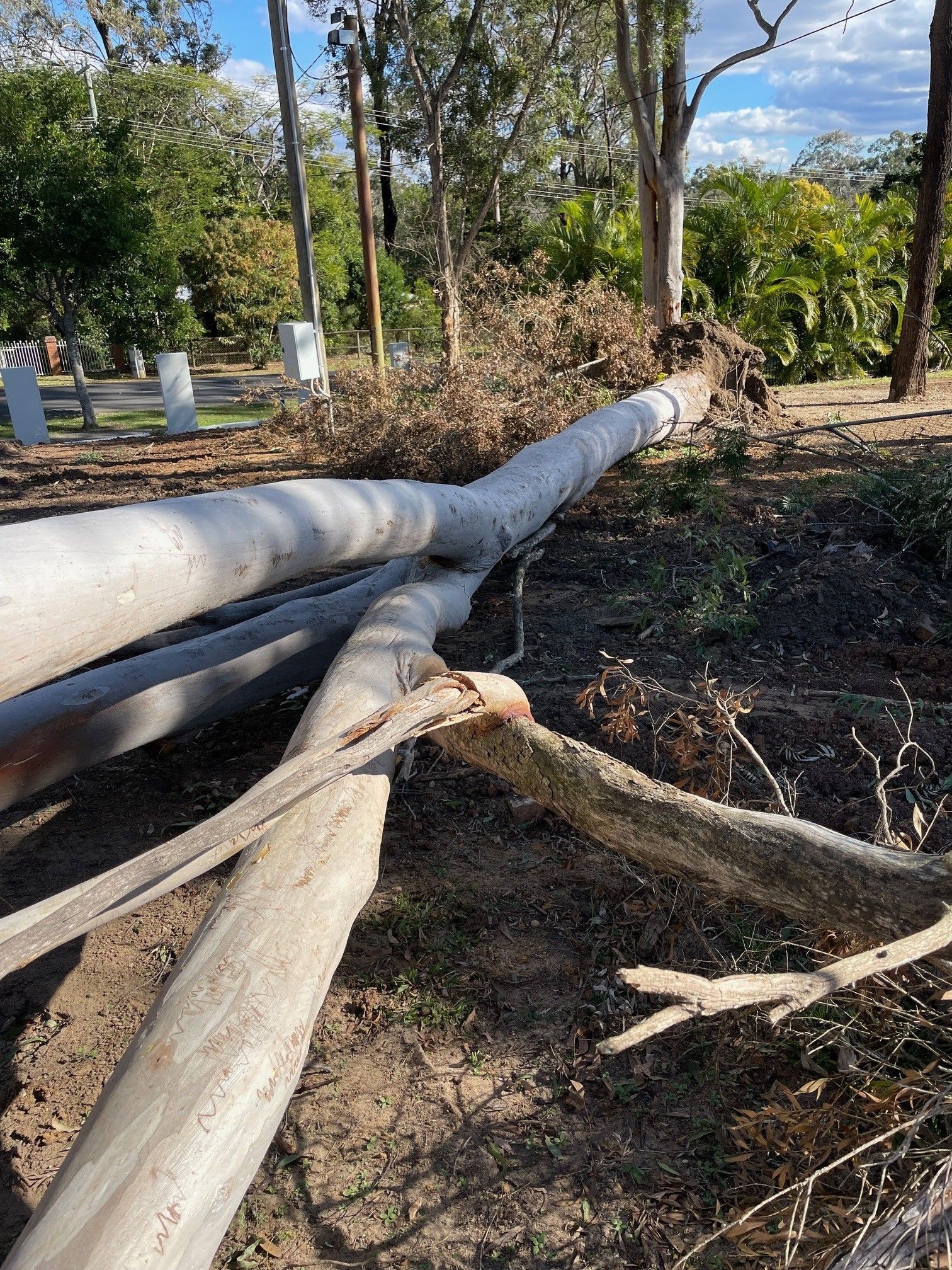
Heavy rain saturates the ground, weakening the soil structure and reducing its ability to hold tree roots firmly in place. When strong winds hit, even large, established trees can uproot completely.
This is one of the most common causes of trees falling in Sydney, particularly in areas with clay-heavy soils.
2. Weak or Decaying Root Systems
A tree might look perfectly healthy above ground, but if the root system is compromised, it becomes a major risk.
Causes of root damage include:
- Soil compaction from construction or foot traffic
- Root rot and fungal disease
- Poor drainage
- Previous excavation near the tree
Once roots are weakened, it doesn’t take much wind to bring the tree down.
3. Dead or Diseased Trees
Dead trees are extremely dangerous during storms. Without healthy internal structure, they become brittle and prone to snapping or collapsing.
Common warning signs include:
- Large dead branches
- Cracks in the trunk
- Fungus growing at the base
- Hollow sections
If a tree is already compromised, a storm will often be the tipping point.
4. Poor Tree Structure or Imbalance
Trees that grow unevenly or have multiple trunks (co-dominant stems) are more likely to fail under pressure.
Issues like:
- Heavy canopy on one side
- Weak branch unions
- Overextended limbs
…all increase the likelihood of breakage during high winds.
5. Lack of Regular Maintenance
Trees that haven’t been properly maintained are far more likely to cause problems.
Overgrown branches act like sails in strong winds, catching gusts and increasing stress on the trunk and roots. Regular pruning helps reduce this risk significantly.
6. Termite or Borer Infestation (Hidden Structural Damage)
Not all tree failures are visible from the outside. In some cases, trees become structurally weak due to internal damage caused by termites or wood-boring insects.
These pests hollow out sections of the trunk or branches, reducing the tree’s strength without obvious warning signs. From the outside, the tree may still look healthy—but internally, it can be compromised.
During strong winds or storms, these weakened trees are far more likely to snap or collapse.
Signs to look for include:
- Small holes in the bark
- Sawdust-like material (frass) around the base
- Hollow sounds when tapping the trunk
- Unusual dieback in sections of the canopy
If you suspect insect damage, it’s important to have the tree assessed by a professional before it becomes a safety hazard.
How to Prevent Trees Falling on Your Property
While you can’t stop storms, you can reduce the risk.
✔️ Book Regular Tree Inspections
Having a qualified arborist assess your trees can identify hidden risks early. Structural weaknesses, disease, and root issues are often not obvious to the untrained eye.
✔️ Prune Trees Before Storm Season
Strategic pruning reduces wind resistance and removes weak or dead branches before they become hazards.
This is one of the simplest and most effective ways to prevent storm damage.
✔️ Remove High-Risk Trees
If a tree is dead, severely diseased, or structurally unsound, removal is often the safest option—especially if it’s close to your home, driveway, or neighbouring properties.
✔️ Improve Soil and Drainage Conditions
Healthy soil supports strong root systems. Avoid compacting soil around trees and ensure proper drainage to prevent waterlogging.
✔️ Watch for Warning Signs
Keep an eye out for:
- Leaning trees
- Cracks in the ground around the base
- Exposed roots
- Sudden leaf loss or dieback
These can indicate a tree is at risk of failure.
What to Do After a Storm
If a tree has fallen or looks unstable after a storm:
- Stay clear of the area
- Keep others away
- Do not attempt DIY removal
- Contact professionals immediately
Storm-damaged trees can shift unpredictably and pose serious safety risks.
Treepeeps Sydney is available 24/7 for emergency work, so you’re never left dealing with a dangerous situation alone.
📞 Call now: (02) 8072 8588
Local Tree Removal Services Across Sydney
We provide fast, reliable tree services right across Sydney, including:
- Tree Removal Parramatta
- Tree Removal Liverpool
- Tree Removal Penrith
- Tree Removal Blacktown
- Tree Removal Campbelltown
- Tree Removal Inner West Sydney
- Tree Removal North Shore Sydney
- Tree Services Northern Beaches
- Tree Removal Eastern Suburbs
- Tree Removal Sutherland Shire
Final Thoughts
Tree failures during storms are often preventable with the right maintenance and early intervention. Whether it’s pruning, inspections, or removing a high-risk tree, taking action now can save you from serious damage later.
And when storms do hit, having a trusted local team ready to respond makes all the difference.
Need urgent help?
We’re available 24 hours a day, 7 days a week for emergency tree removal across Sydney.
📞 (02) 8072 8588