Widow Makers Sydney: Why Eucalyptus Trees Drop Branches
What Are “Widow Makers”? The Hidden Dangers of Eucalyptus Trees in Sydney
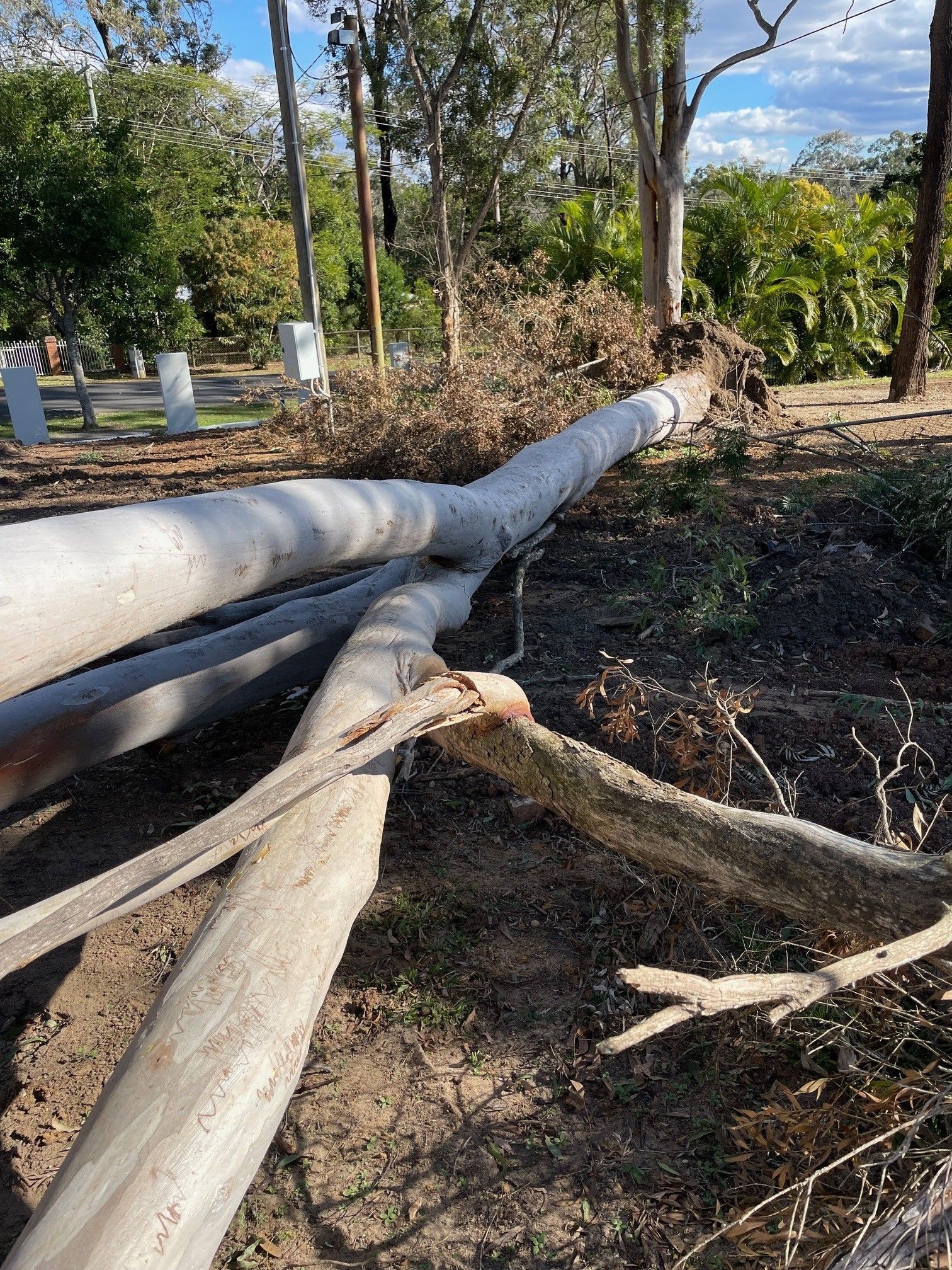
Eucalyptus trees are a defining part of Sydney’s landscape, but they can also pose serious risks to homeowners. One of the most well-known dangers is something referred to as a “widow maker” — a term used to describe trees or branches that can fail without warning.
If you’re dealing with a dangerous or damaged tree, our team provides fast and reliable emergency tree removal Sydney services, available 24/7. As experienced tree loppers in Sydney, we regularly respond to hazardous gum trees across the region, particularly following storms or periods of extreme weather.
Understanding how and why these trees fail can help you reduce the risk to your property and those around you.
What Is a “Widow Maker”?
The term “widow maker” dates back to early European settlers in Australia. It was used by loggers to describe the danger of falling limbs or tree tops — if a branch fell and killed a worker, it left behind a widow.
Today, the term is still commonly used to describe eucalyptus trees that are prone to unexpectedly dropping large branches.
What Is Sudden Branch Drop?
In arboriculture, this phenomenon is known as sudden branch drop.
It refers to the unexpected failure of a branch, often without wind, storms, or any obvious trigger. A tree may appear stable, and conditions may be completely calm, yet a large limb can suddenly break away and fall.
This is what makes eucalyptus trees particularly dangerous in certain environments.
Why Do Eucalyptus Trees Drop Branches?
Eucalypts are highly adapted to Australian conditions, but their natural characteristics can increase the likelihood of branch failure.
Self-Pruning to Conserve Water
During drought or periods of heat stress, eucalyptus trees may shed branches to reduce the amount of foliage they need to sustain. This natural survival mechanism can result in large limbs falling without warning.
Internal Decay or Pest Damage
Branches can become weakened internally due to age, disease, or infestations from termites and wood-boring insects. These issues are often not visible from the outside, meaning a branch can appear healthy while being structurally compromised.
Tree Height and Weight
Many eucalyptus trees grow over 40 metres tall. The height and size of these trees mean that any falling branch can generate significant force, increasing the risk of injury or damage.
Heat Stress and Environmental Factors
Extreme temperatures, prolonged dry periods, and sudden weather changes can all increase stress within the tree, contributing to branch failure.
Whole Tree Failure: A Serious Risk
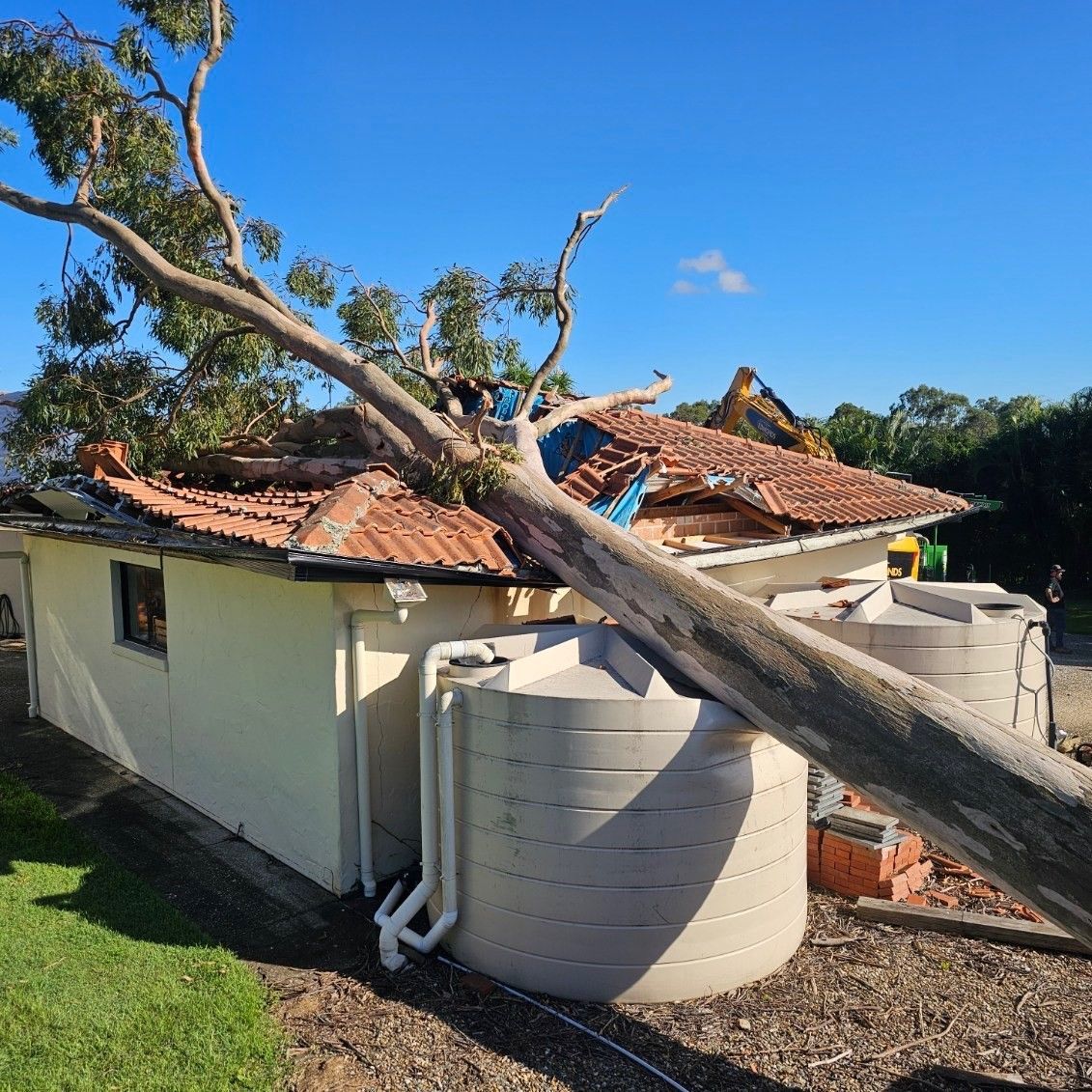
In addition to dropping branches, eucalyptus trees can also fall over entirely under the right conditions.
Many gum trees have shallow, spreading root systems. While this allows them to grow quickly, it can also make them more vulnerable during storms. When heavy rain saturates the soil, the ground becomes unstable, and strong winds can cause trees to uproot.
This combination of wet soil, high winds, and large canopy weight is a common cause of tree failure during Sydney storms.
Where These Risks Matter Most
“Widow makers” are particularly dangerous when located near:
- Homes and buildings
- Driveways and parked vehicles
- Outdoor living areas
- Schools, parks, and public spaces
Even in calm conditions, these trees can pose a genuine safety risk.
How to Reduce the Risk
While you cannot completely eliminate the natural behaviour of eucalyptus trees, you can significantly reduce the likelihood of failure through proper maintenance.
Regular Arborist Inspections
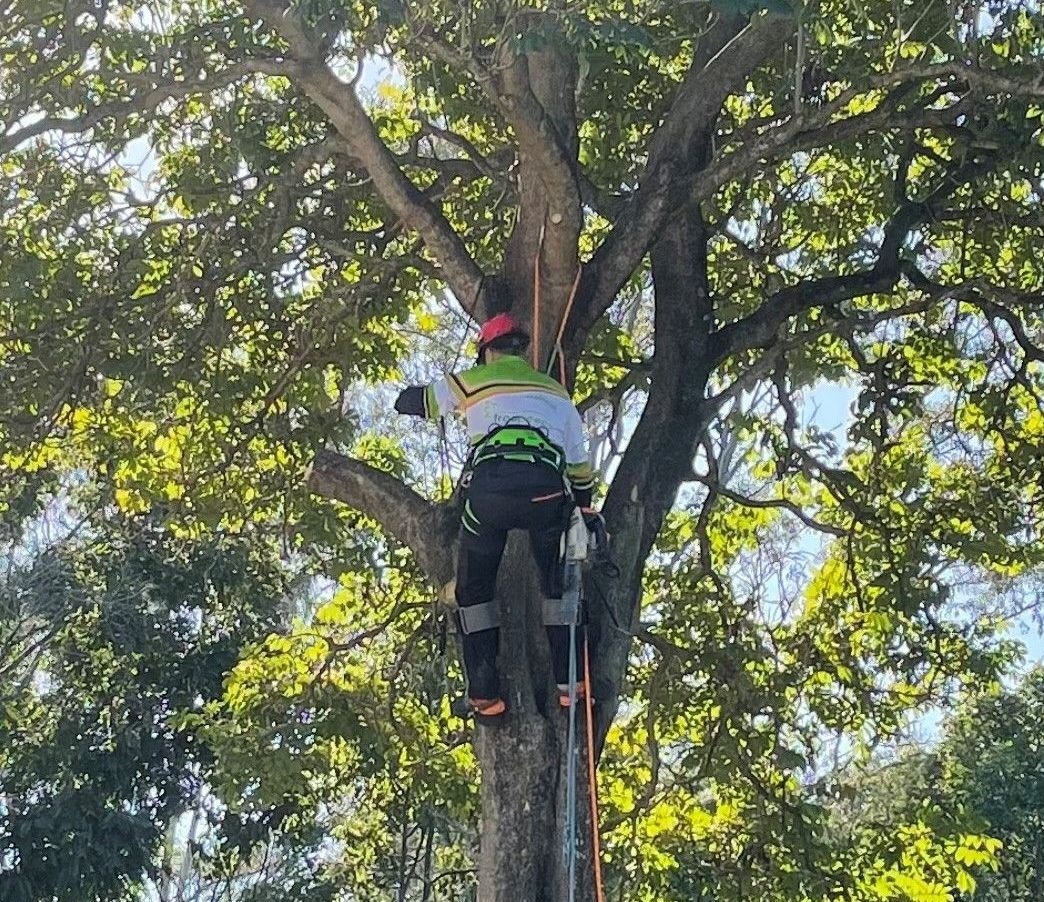
A qualified arborist can assess the health and structure of your trees, identifying hidden risks such as decay, pest damage, or instability before they become dangerous.
Dead Wooding (Removing Dead Branches)
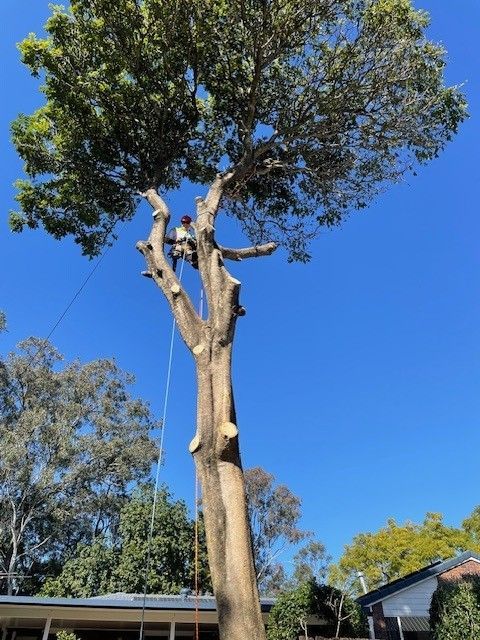
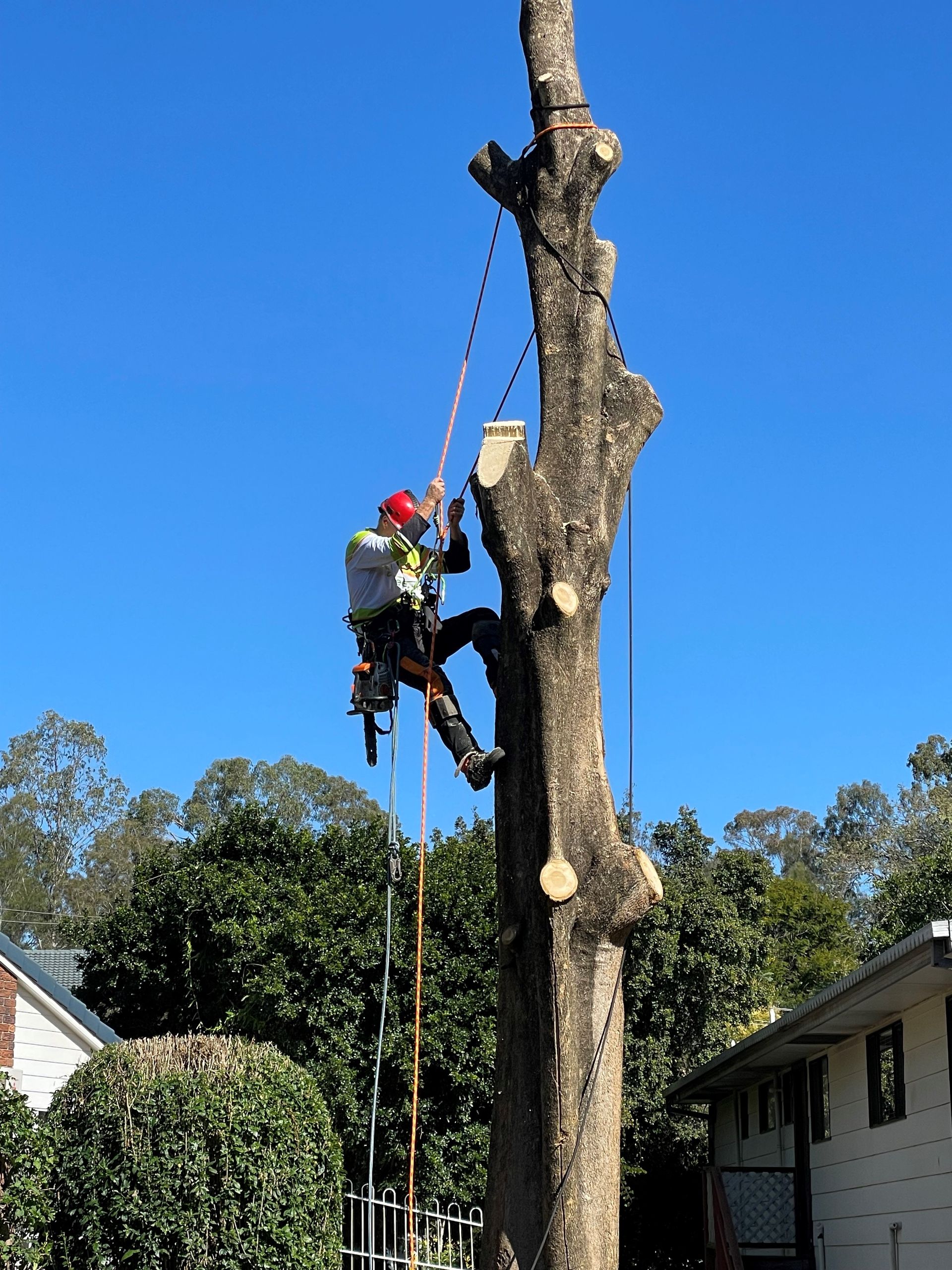
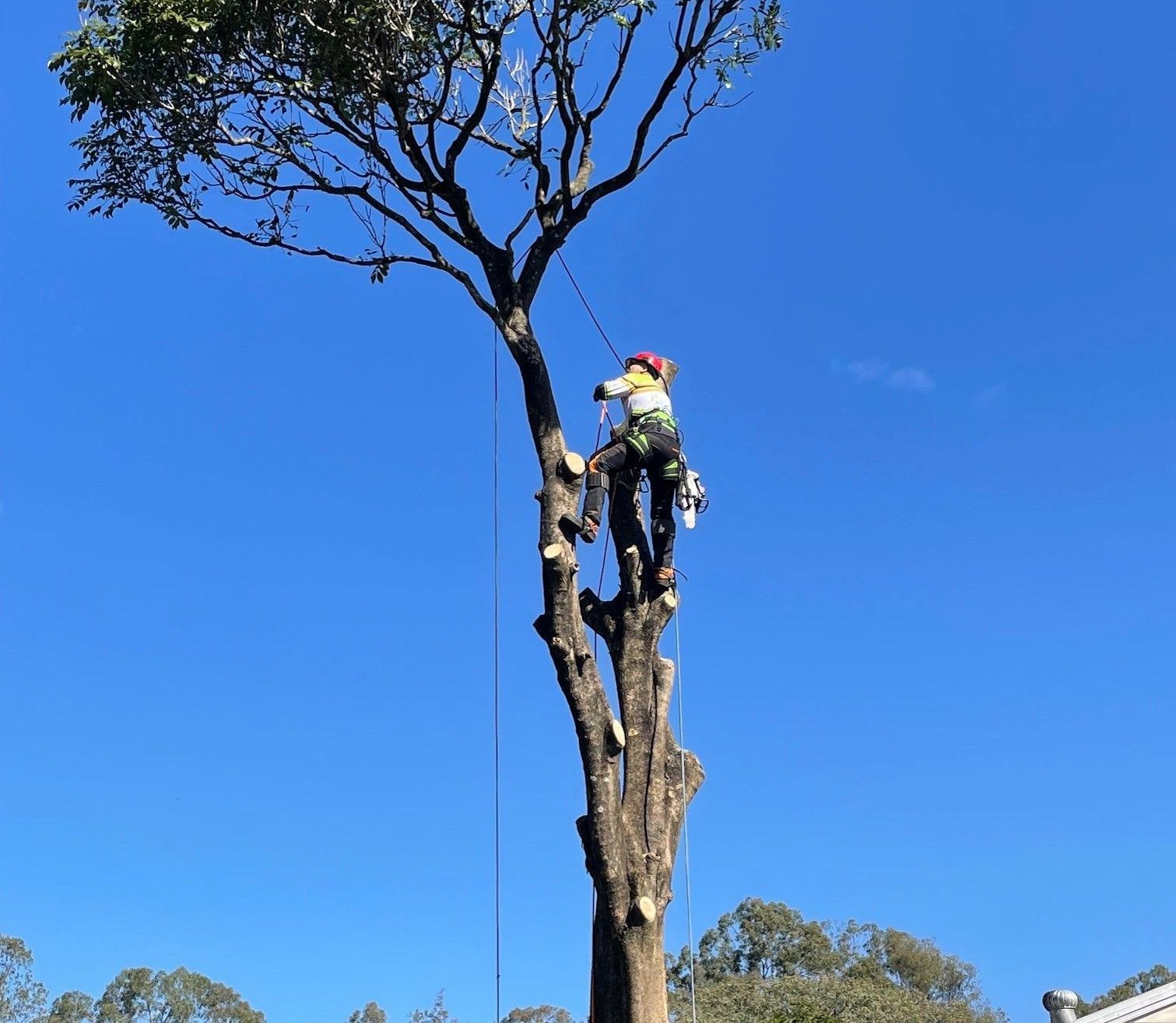
Dead wooding, also known as deadwood removal, involves removing dead, dying, or brittle branches that are more likely to fall unexpectedly. This is one of the most effective preventative measures for reducing the risk of falling limbs, particularly in eucalyptus trees.
Strategic Tree Pruning
Proper pruning helps reduce canopy weight and wind resistance, improving the overall stability of the tree and lowering the risk of storm damage.
Removal of High-Risk Trees
If a tree is dead, structurally unsound, or located too close to structures, removal may be the safest long-term solution.
Avoid High-Risk Areas
As a precaution, avoid parking vehicles or setting up outdoor areas directly beneath large gum trees, especially during hot weather or after storms.
What to Do If a Branch Falls or a Tree Becomes Unsafe
If a branch has fallen or a tree appears unstable:
- Keep a safe distance
- Do not attempt to remove it yourself
- Contact a professional immediately
Treepeeps Sydney is available 24 hours a day, 7 days a week for emergency work, ensuring fast and safe response when you need it most.
Call now: (02) 8072 8588
Tree Removal Services Across Sydney
We provide professional tree services across Sydney, including:
Tree Removal Inner West Sydney
Tree Removal North Shore Sydney
Tree Services Northern Beaches
Tree Removal Eastern Suburbs
Tree Removal Sutherland Shire
Final Thoughts
“Widow makers” are not just a historical term — they represent a real and ongoing risk across Sydney. Eucalyptus trees, while an important part of the local environment, require careful management to ensure they remain safe.
By understanding the causes of branch failure and taking preventative action, you can reduce the risk of damage to your property and improve overall safety.
When in doubt, seeking professional advice is always the safest approach.